ThinkQuest Kids

    FOR FAMILIES WITH KIDS AGED 7–12

    Find the Best Way
    to Build Your
    Child's
    Logic & Problem- Solving Skills

    Take the 2-minute quiz to discover your child's best starting point for logic, patterns, sequencing, debugging, and problem-solving — no coding knowledge needed.

    FREE2 MINUTESFREE SNAPSHOTNO CODING NEEDED
    ThinkQuest Robot Buddy
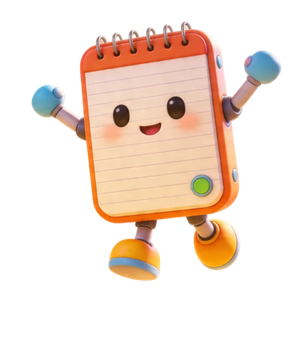
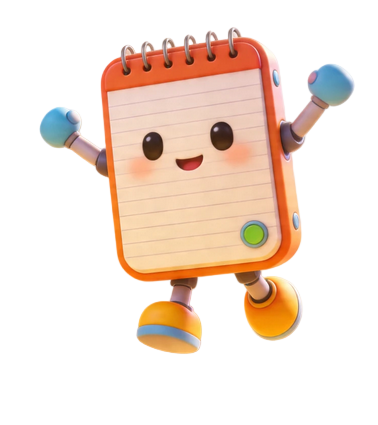
    Memo character

    AFTER THE QUIZ

    What You'll Get After the Quiz

    🧠

    Thinking Skills Report

    See where your child may need the most support with a personalised report.

    📦

    Recommended Mini Pack

    Receive an age-matched printable pack by email.

    🕵️

    Level-Matched Sample Mission

    Let your child try a short mission matched to their starting level.

    🎯

    Simple Next Step

    Get a clear starting point based on your child's results.

    WHY THIS MATTERS

    For Families Who Want
    Real Thinking Skills

    This quiz is for parents who want their child to build real thinking skills — not just tap through another app. ThinkQuest Kids helps kids practise logic, patterns, sequencing, debugging, and problem-solving through short, guided missions they can complete at home.

    Your child may benefit from practising:

    • Following step-by-step instructions
    • Spotting patterns
    • Solving unfamiliar problems
    • Debugging mistakes
    • Explaining their thinking
    • Staying engaged with worksheets or coding apps
    🔍 ABOUT THINKQUEST KIDS
    "Instead of handing your child another random activity, ThinkQuest Kids gives them a clear mission, a thinking skill to practise, and a simple next step."
    Professor Patch
    WHY IT MATTERS NOW

    Why These Skills Matter Now

    Logic, problem-solving, and algorithmic thinking are not just "coding skills." They help children learn how to think clearly, follow steps, fix mistakes, and solve unfamiliar problems.

    🏆

    The future rewards problem-solvers

    Analytical thinking is one of the top skills people need for school, work, and everyday problem-solving.

    🏫

    Problem-solving is now a global focus

    Schools and international assessments increasingly value how students think, solve problems, and explain their ideas — not just what they memorise.

    🌍

    Access still varies worldwide

    Across the world, access to computer science and computational thinking education still varies, so many families look for simple ways to build these skills earlier at home.

    EVERYDAY THINKING SKILLS

    These Skills Show Up Every Day

    Computational thinking is not just for coding. Children use these skills when they follow steps, spot patterns, fix mistakes, and solve problems in everyday life.

    📋

    Following steps

    Following instructions to reach a clear outcome.

    Like getting ready for school, following a recipe, or building LEGO in the right order.

    🔍

    Spotting patterns

    Recognising repeated rules and clues.

    Like noticing number patterns, game rules, routines, or repeated shapes and sounds.

    🔧

    Fixing mistakes

    Finding what went wrong and correcting it.

    Like checking homework, fixing a broken plan, or working out why something did not work.

    🧩

    Solving problems

    Breaking big challenges into smaller steps.

    Like tidying a room, planning a project, or working through a tricky maths question.

    💬

    Explaining thinking

    Showing how they got an answer and what they would try next.

    Like explaining their reasoning in schoolwork, games, or everyday decisions.

    MISSION PREVIEW

    A Taste of What's Inside

    ThinkQuest Kids uses short detective-style missions to help children practise logic, patterns, sequencing, debugging, and problem-solving.

    Memo
    SAMPLE MISSION PREVIEWSkill: Sequencing

    Robot Parade Line-Up

    The robots are wearing number badges and must stand in order from 1 to 5. They're all mixed up — but one robot may already be in exactly the right position. Can your child spot which one?

    POS 1
    3
    POS 2
    1
    POS 3
    4
    POS 4
    2
    POS 5
    5
    A
    Robot 3
    B
    Robot 1
    C
    Robot 5
    D
    Robot 2

    Age-matched sample missions unlock after the quiz.

    Skill: Pattern Recognition

    The Pattern Code

    See what's inside →

    Complete the quiz to reveal more missions matched to your child.

    Skill: Debugging

    Glitch's Broken Instructions

    More missions unlock after the quiz

    Each quiz result reveals missions specifically matched to your child's age and level.

    Take the 2-Minute Quiz 🚀

    Get your child's Thinking Skills Snapshot, a recommended mini pack, and a real sample mission matched to their age.

    WHO THIS IS FOR

    Who This Is For

    ThinkQuest Kids may be a good fit if your child needs a fun, structured way to practise thinking through problems step by step.

    Helpful for:

    Kids who rush through tasks and miss steps

    Kids who get stuck when problems look unfamiliar

    Kids who enjoy puzzles, mysteries, games, or challenges

    Parents who want short, low-prep learning activities

    Families who want learning that feels useful, not like extra homework

    Homeschool or at-home learners needing open-and-go practice

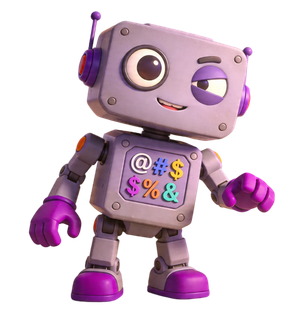
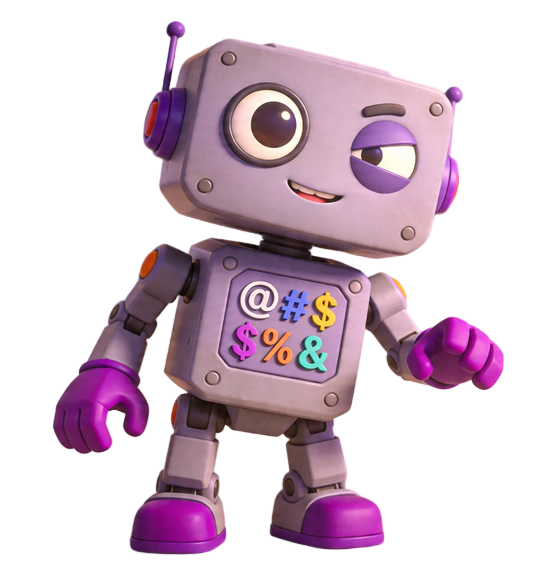
    Glitch

    In 2 Minutes,

    You'll Discover:

    01

    Where your child may need the most support

    02

    Which learning format may suit your family best

    03

    How much guidance you may need as a parent

    04

    What could stop your child from staying engaged

    05

    The best starting point for your child's age and confidence level

    Guided by Experts

    Simple Guided Learning at Home

    ThinkQuest Kids is designed to be low-prep, open-and-go, and confidence-building — so your child can work through missions step by step, without you needing to teach coding.

    No coding knowledge needed

    Jump straight into logic and problem-solving. No complicated setup or coding jargon required.

    Short, age-friendly activities

    Designed for kids aged 7–12. Missions are bite-sized to match young attention spans and build momentum.

    Clear parent guidance

    Each mission includes simple tips to help you support your child's progress without being an expert.

    TheThinkQuestKidsCrew🚀

    Professor PatchPatch
    MemoMemo
    ByteByte
    GlitchGlitch